Hire me
Give me the project that’s taking a lot longer than it should.
A carve is a fixed-scope engagement for the project that’s taking too long. Leadership pulls one stalled project out of the roadmap and hands it to me, with cover to work outside the ceremony. I do the due diligence, build it in the team’s own stack, and hand it back running. Corp-to-corp, and I’m gone when the team owns it.
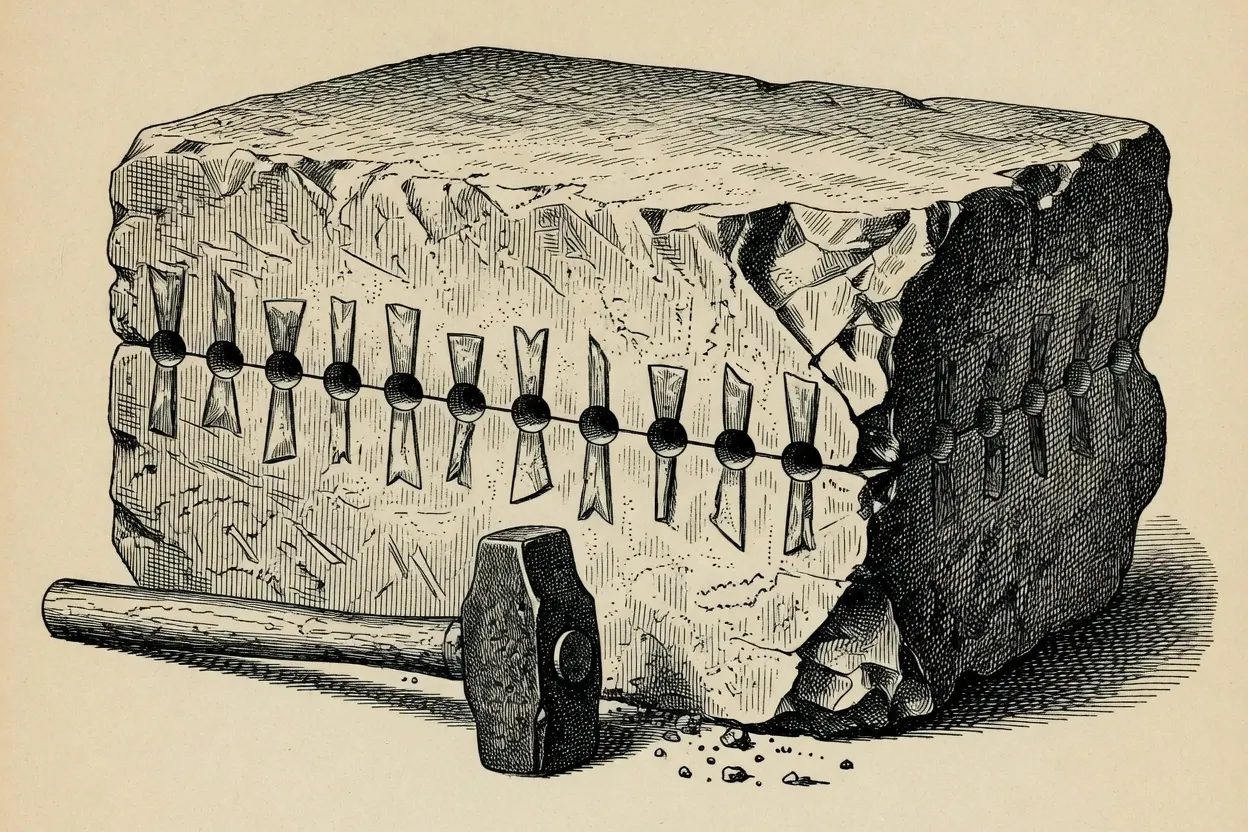
The trigger isn’t an outage. It’s the moment leadership gets an internal estimate it can’t accept: two years of design meetings that produced no software, a dependency on a team with its own roadmap, an approval nobody owns. Most stalled projects are not stalled on the technology.
What I need from you is the cover. The brief that works sounds like this: “Feel free to do whatever you need to get it done. Let me deal with the red tape.” You take the red tape. I take the technical gray zone, outside the planning that’s several weeks out. I’ve written that out as its own piece: the estimate leadership can’t accept is the latency before the build, not the build.
Shape and duration come out of the due diligence, not off a menu. On the review board a team had designed for two years, the carve was two weeks to a working prototype, built from their own screenshots; they had it in prod six weeks after I handed it over, and no support request has reached me since. That exit is the point. I hand back a working system rather than a repo, with the skills and the chat lineage in it, so the next engineer — and the next agent — can read why.
For a director or a VP with one project they can’t wait on and the authority to carve it out. Not staff augmentation by headcount, and not a second opinion on a design nobody has started building. If the thing in the way is the estate itself, that’s path to prod. If it’s down tonight, that’s production recovery.
Questions
What does a carve look like?
One project, pulled out of the roadmap and handed to me with cover to work outside the ceremony. Due diligence first, then a build in your own stack, then the team runs it. Fixed scope, agreed before I start, and I’m gone when the team owns it.
Whose stack do you build in?
Yours. Your languages, your patterns, your design. Architecture judgment transcends the stack; the implementation language is yours, because your team is the one that has to maintain it.
What happens when you leave?
The team runs it. I hand back a working system, not a repo — the skills and the chat lineage go in with it, so the next engineer and the next agent can see why. The review-board build is the record: “The team had it in prod six weeks later, and no support request has reached me since.”
Related systems
Health insurance · Cigna · operating
Health insurance · Cigna · operating
Health insurance · Cigna · operating
Start
Tell me what’s stuck.
I’ll tell you in about a day whether I’m the right person. The first conversation is fit, not a free architecture review.