Available for new work

Principal engineer

Contract, corp-to-corp

US · remote-first

Leadership puts me on the hardest project.
Then the team runs it.

“We’ve been told it’s gonna take a lot longer than it should.” That is when the call comes. I take that one project, do the due diligence, and build it in the team’s own stack. Then I teach them to run it and leave.

Tell me what’s stuck

I’ll tell you in about a day whether I’m the right person. The first conversation is fit, not a free architecture review.

Proof

01

Architecture review board app built in two weeks

Two years of design meetings had produced no software. Two weeks in Cursor produced a working prototype — and the demo is what got engineers assigned to it.

Health insurance · Cigna · React/Node on ECS · SQLite · in-app assistant
02

Keeping bookmarked pages up when another team's database failed

Another team's invalidation bug went straight through a cache we had already built and saturated a MongoDB we didn't own. The degraded mode we designed in kept bookmarked pages serving, and our own logs named their bug before their team was reachable.

Real estate · Anywhere Real Estate · Lambda mid-tier · CloudFront + S3 cache · shared MongoDB
03

Migrating Cigna workloads from Cloud Foundry to AWS

Nothing broke. The first workload still took over a year, and almost none of that was the technology — it was the path to prod. Once the path existed, a project crossed in about six weeks. I ran eight through it.

Health insurance · Cigna · PCF → AWS · Terraform · 8 projects
04

Replacing a $700k-a-year data catalog license

A $700k-a-year renewal was on the table for features the enterprise already owned elsewhere. I forked the query editor and pointed it at the metadata on hand. In prod in two to three months; the vendor is sunsetting.

Health insurance · Cigna · ~1,300 users · DBeaver fork · Collibra · Temporal
05

Omnigent

246 cards merged in one day.

The system I built to run a team of AI coding agents, used until Jarvis replaced it in October 2026 · off the board's own ledger, September 12, 2026, WIP cap 20
06

Jarvis

4,884 PRs merged in eight weeks across two codebases, and the rules that got them through now live in a gate, not a prompt.

My current system for running AI coding agents, the successor to Omnigent, rebuilt from scratch after an audit of its first version · off main's merge history, September 5 to October 28, 2026 · Python · React · Temporal
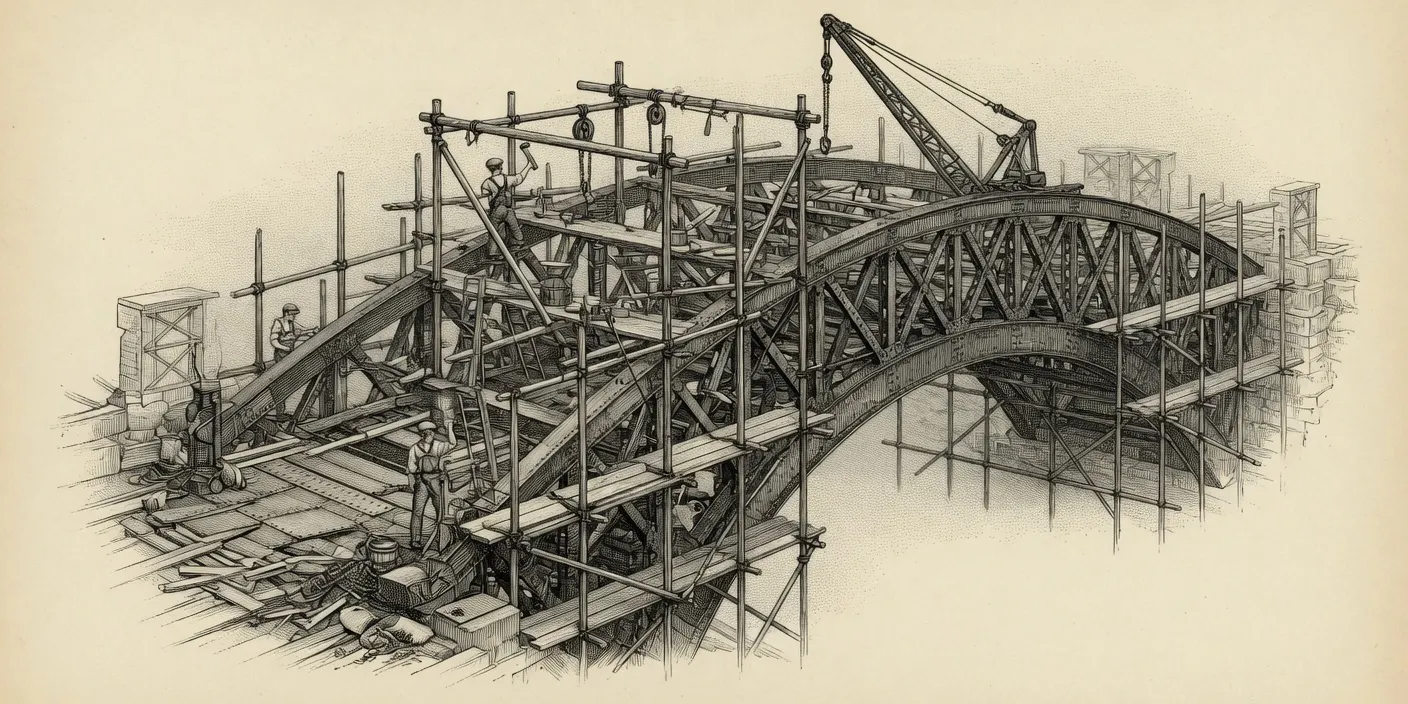
engraving of a stone arch bridge mid-construction, braced in timber scaffolding, a derrick crane hoisting a girder at the crest

Who I’ve done this for

  • Cigna
  • Express Scripts
  • Anywhere Real Estate

How a carve runs

01
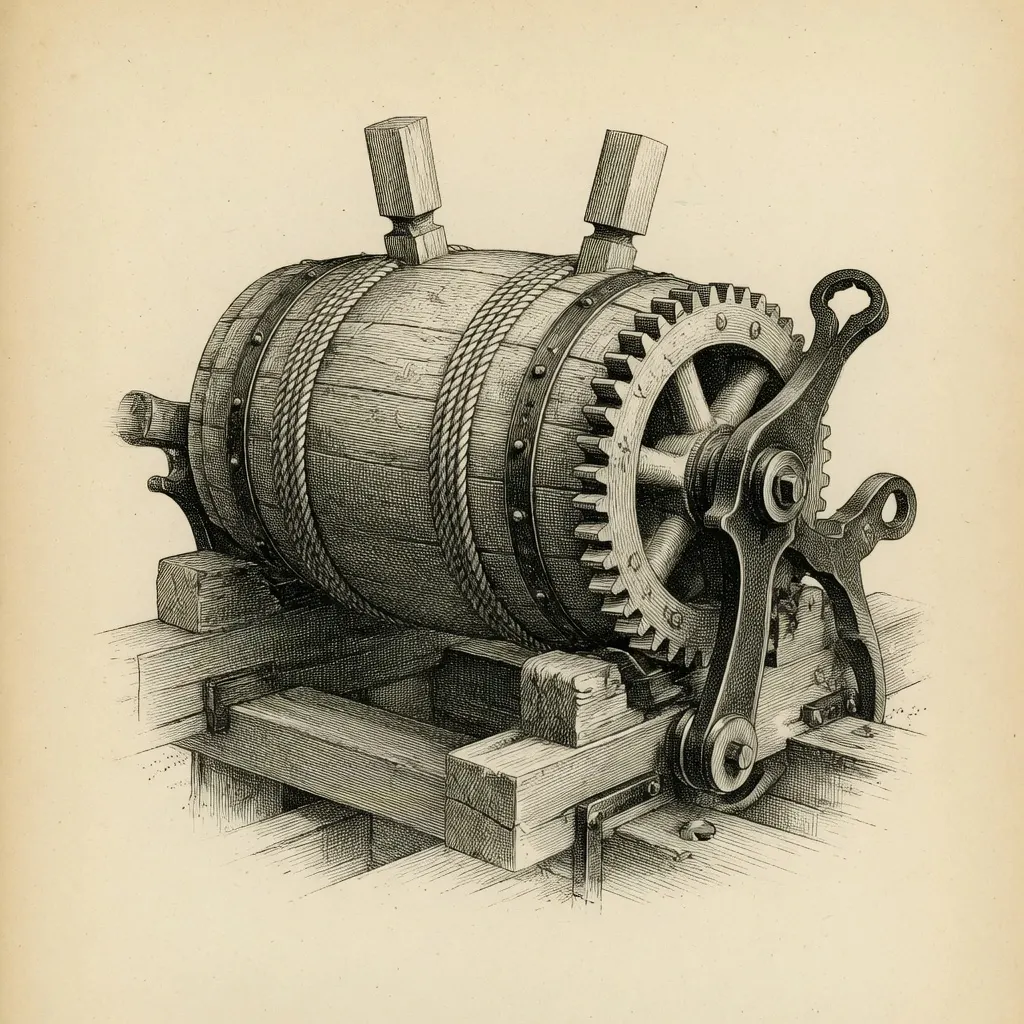
engraving of a ship's windlass, a rope-bound barrel drum on a timber frame with a toothed ratchet and pawl

Due diligence

I read the estate before I touch it: what’s actually blocking, who owns the gate, what the team already tried. Most stalled projects are not stalled on the technology.

02
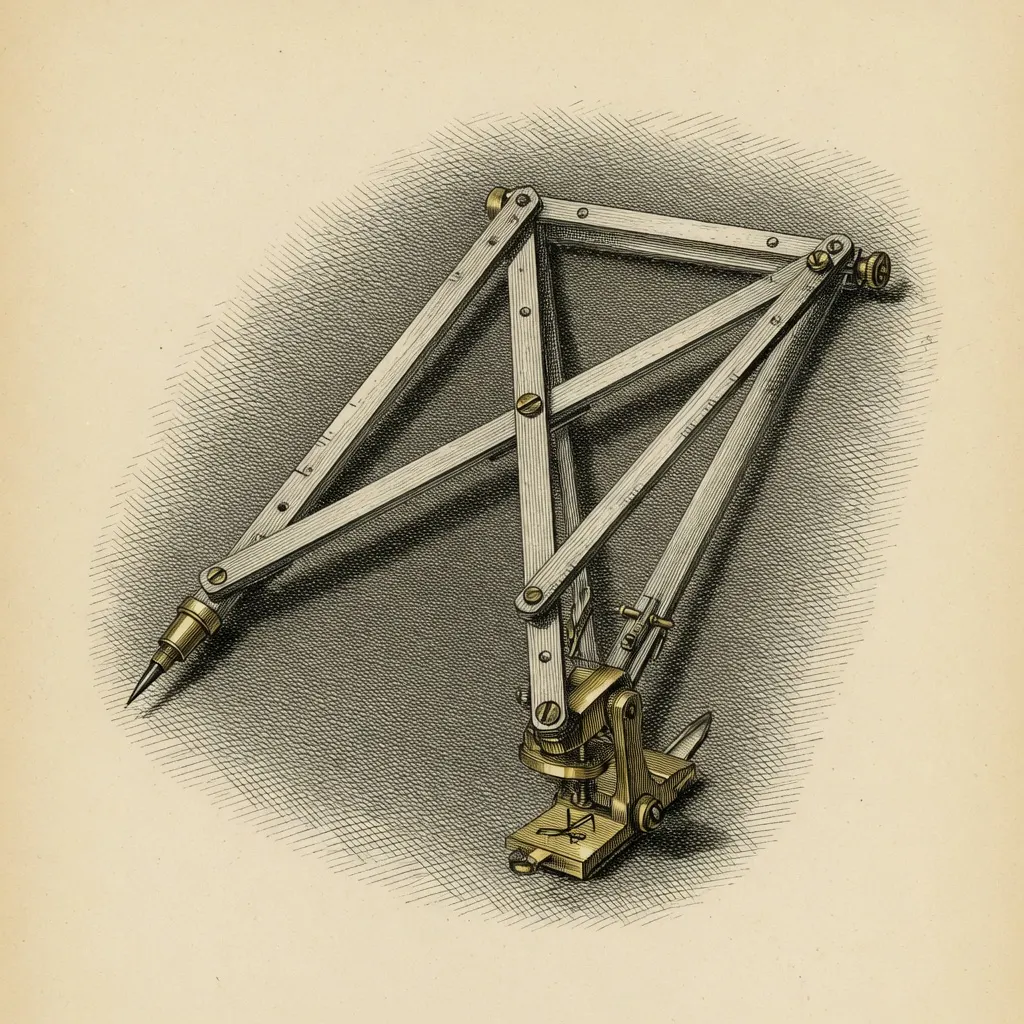
engraving of a pantograph drafting instrument, its hinged parallelogram arms linking a tracing point to a pen

Built in your stack

Your languages, your patterns, your design. Architecture judgment transcends the stack; the implementation language is yours, because your team is the one that has to maintain it.

03
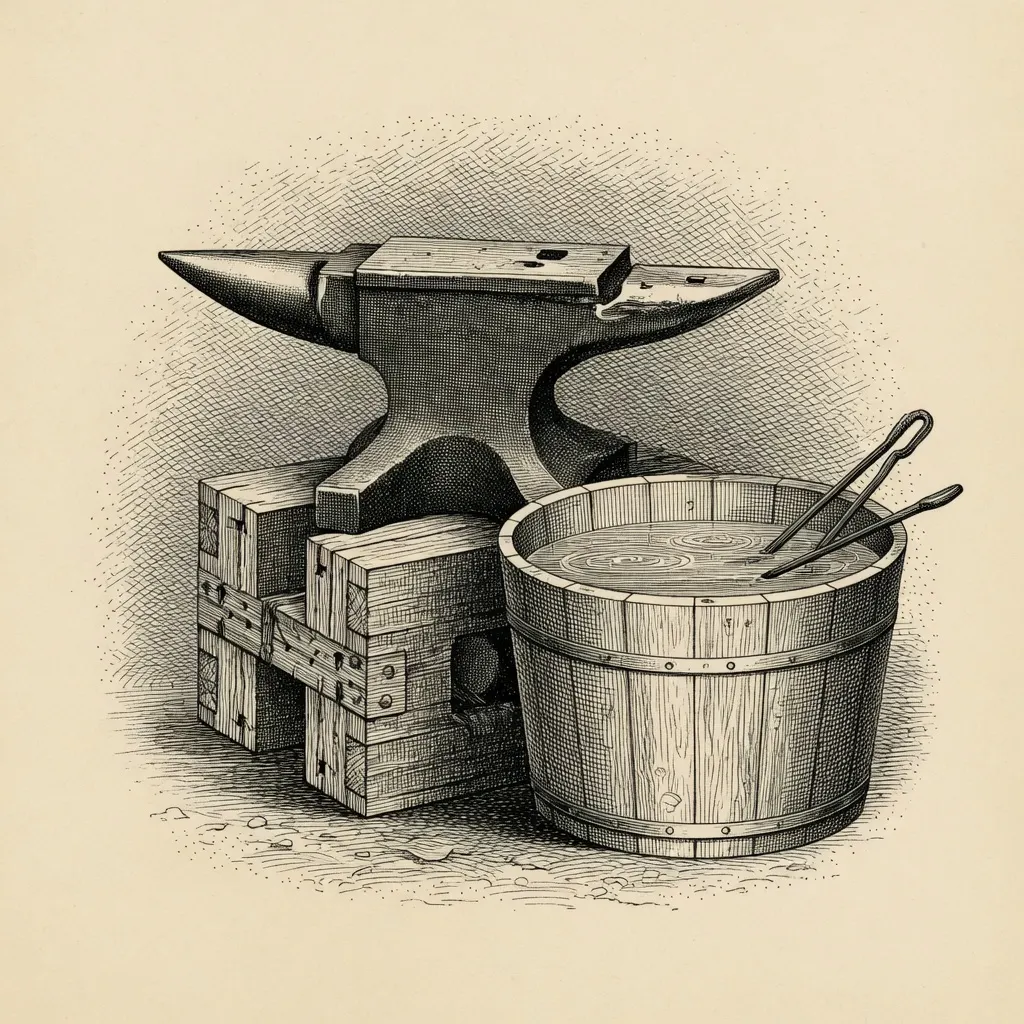
engraving of a blacksmith's anvil on its block, tongs resting across a wooden quench tub beside it

The team runs it

I hand back a working system, not a repo. The skills and the chat lineage go in with it, so the next engineer — and the next agent — can see why. Then I’m gone.

Why a carve

Applied AI

Systems

Writing

Field notes

Next

Start

Tell me what’s stuck. I’ll say if I’m the wrong person.